By John
November 12, 2026
Asphalt shingles remain one of the most popular roofing materials for residential properties, offering homeowners an appealing combination of affordability, durability, and design flexibility. However, not every asphalt shingle roof delivers the same lifespan. While some roofs provide reliable protection for 30 years or longer, others develop leaks, lose shingles, or experience significant deterioration in considerably less time. Understanding what separates a long-lasting roof from one that fails prematurely can help homeowners make better decisions about installation, materials, and ongoing care. Working with an experienced roofing company is an important part of this process, but several other factors also influence overall roof performance. From regional weather conditions to ventilation and maintenance practices, the decisions made throughout a roof's lifespan can have a substantial impact on how long it lasts.
What Factors Impact the Longevity of Asphalt Shingle Roofs?
Several variables determine how long an asphalt shingle roof will perform effectively. Material quality, installation practices, weather exposure, and the condition of the underlying roof structure all contribute to its longevity. Even relatively expensive shingles can deteriorate prematurely when other aspects of the roofing system are neglected.
According to HomeGuide, asphalt shingles are the most widely used roofing material because their affordability and variety provide excellent overall value, with typical lifespans ranging from 15 to 30 years. However, this range reflects the considerable differences between products, installation quality, and environmental conditions.
Climate is particularly influential. Homes in regions with intense sunlight experience greater exposure to ultraviolet radiation, which gradually breaks down roofing materials. High temperatures can accelerate shingle deterioration, while repeated freeze-thaw cycles can contribute to cracking and moisture-related problems. Strong winds and heavy storms also place additional stress on shingles, potentially loosening or removing them.
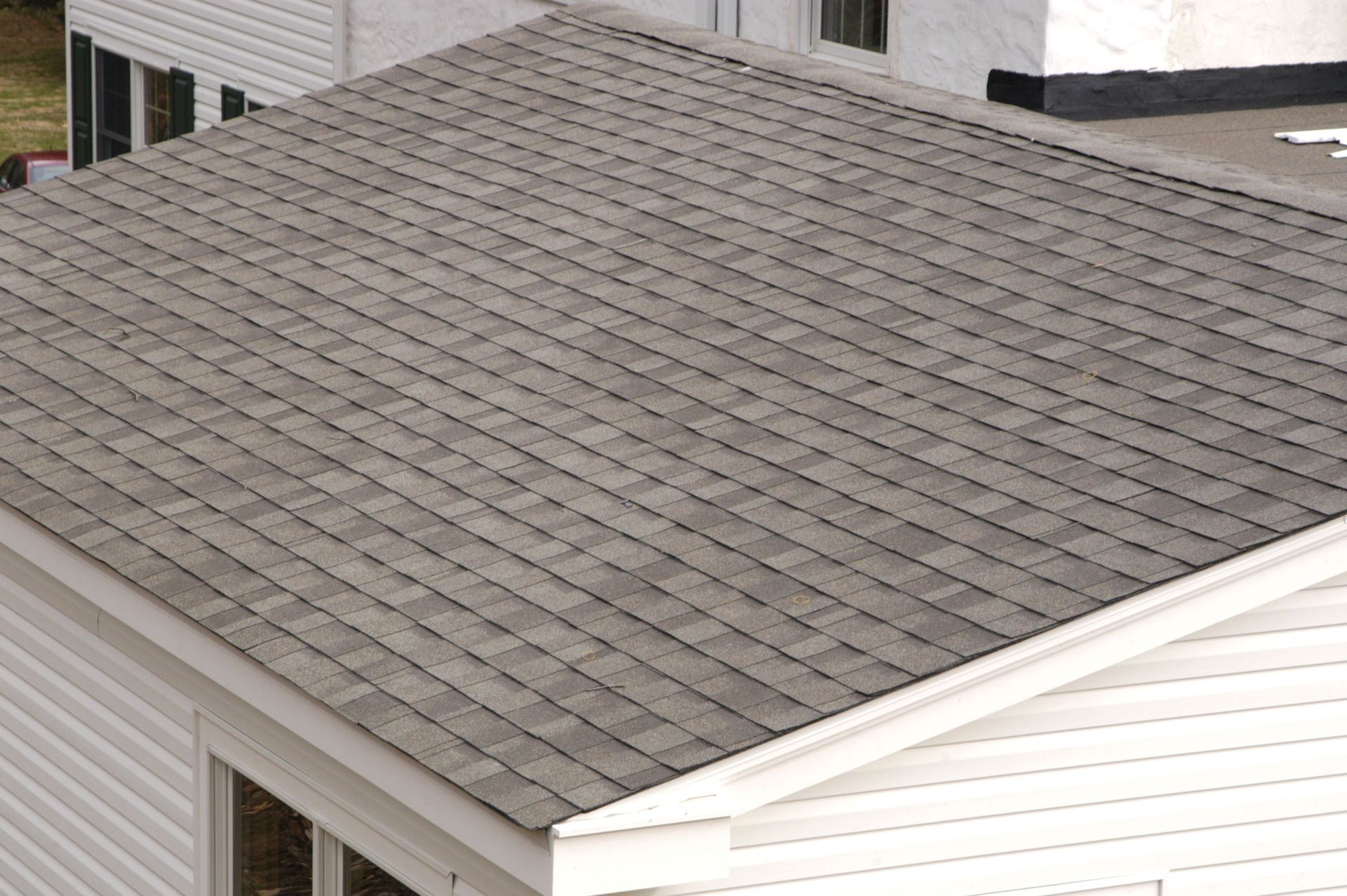
Material selection matters just as much. Basic three-tab shingles generally have shorter expected lifespans than architectural shingles, which feature a thicker, layered construction. Higher-quality products may offer improved wind resistance and better protection against everyday weather exposure.
How Do Roofing Services Influence Roof Durability?
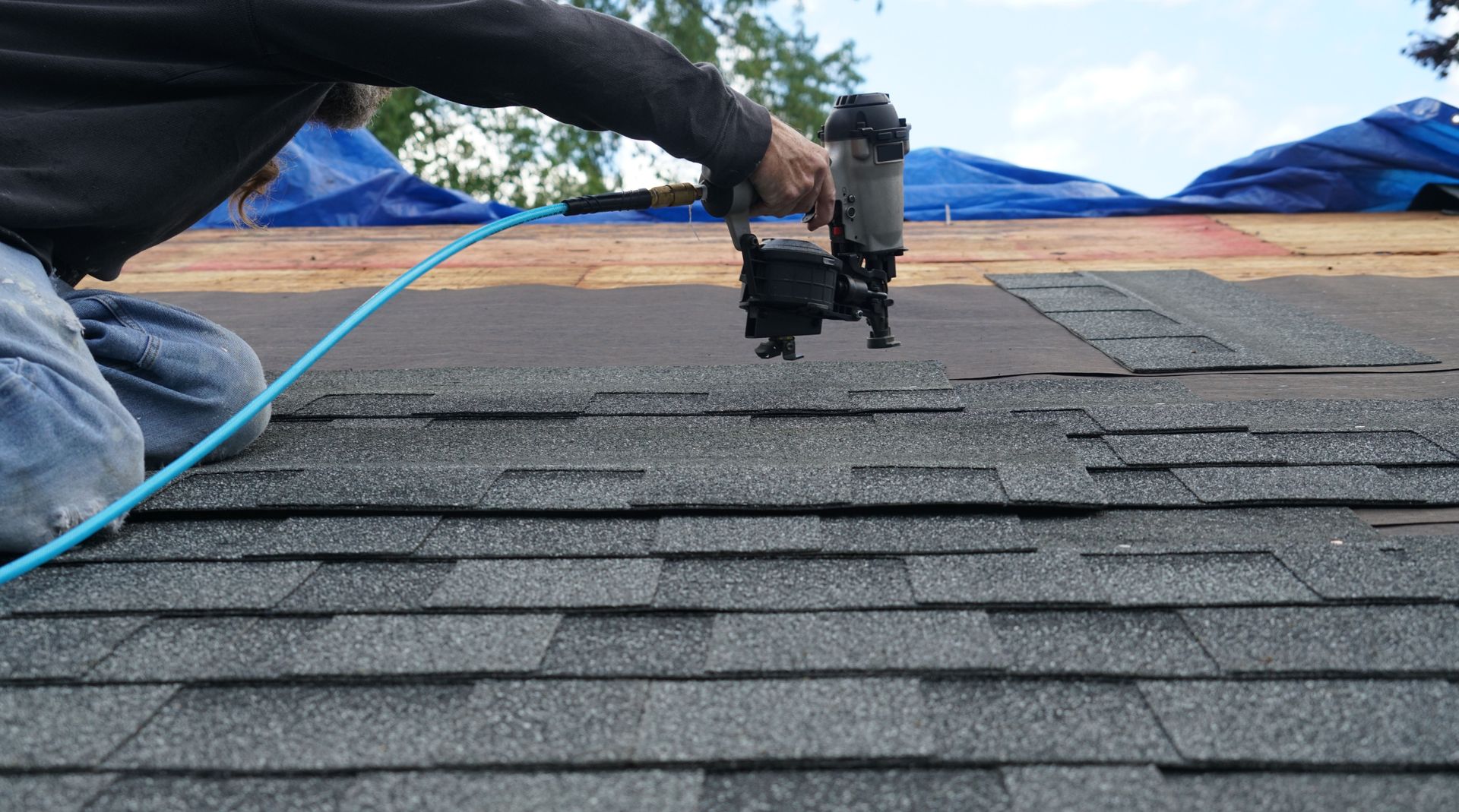
Professional installation has a direct influence on how well asphalt shingles perform over time. Roofing systems involve considerably more than attaching shingles to a roof deck. Proper installation requires attention to underlayment, flashing, ventilation, fastening patterns, and water drainage.
Incorrectly positioned shingles can create openings that allow wind-driven rain to penetrate the roofing system. Improperly installed flashing around chimneys, skylights, valleys, and plumbing penetrations can create similar vulnerabilities. These problems may not become apparent immediately, but repeated moisture exposure can eventually damage the roof deck and surrounding structural components.
A qualified roofing company understands how individual components work together to protect a home. Experienced installers follow manufacturer specifications, use appropriate fastening techniques, and account for the roof's pitch and architectural design. These details help prevent premature deterioration and reduce the likelihood of expensive repairs.
Underlayment is another important consideration. Installed beneath the shingles, this protective layer provides additional resistance against moisture intrusion. Ice and water barriers may also be necessary in vulnerable areas, particularly around eaves and valleys where water accumulation or ice dams can occur.
What Are the Common Mistakes That Shorten Roof Lifespan?
Even quality roofing materials can fail prematurely when avoidable installation and maintenance mistakes occur. Some problems develop during the original installation, while others result from years of neglect or inappropriate repairs.
One common mistake is installing new shingles over an existing roofing layer without properly evaluating the underlying structure. Although some building codes permit multiple roofing layers, adding another layer can conceal existing damage, increase structural weight, and make future inspections more difficult. Removing old materials allows installers to identify deteriorated decking, moisture damage, and other problems before completing the replacement.
Poor ventilation is another frequent contributor to premature roof failure. Without adequate airflow, heat and moisture can accumulate in the attic. Excessive temperatures can accelerate shingle aging, while trapped moisture encourages mold growth and wood deterioration.
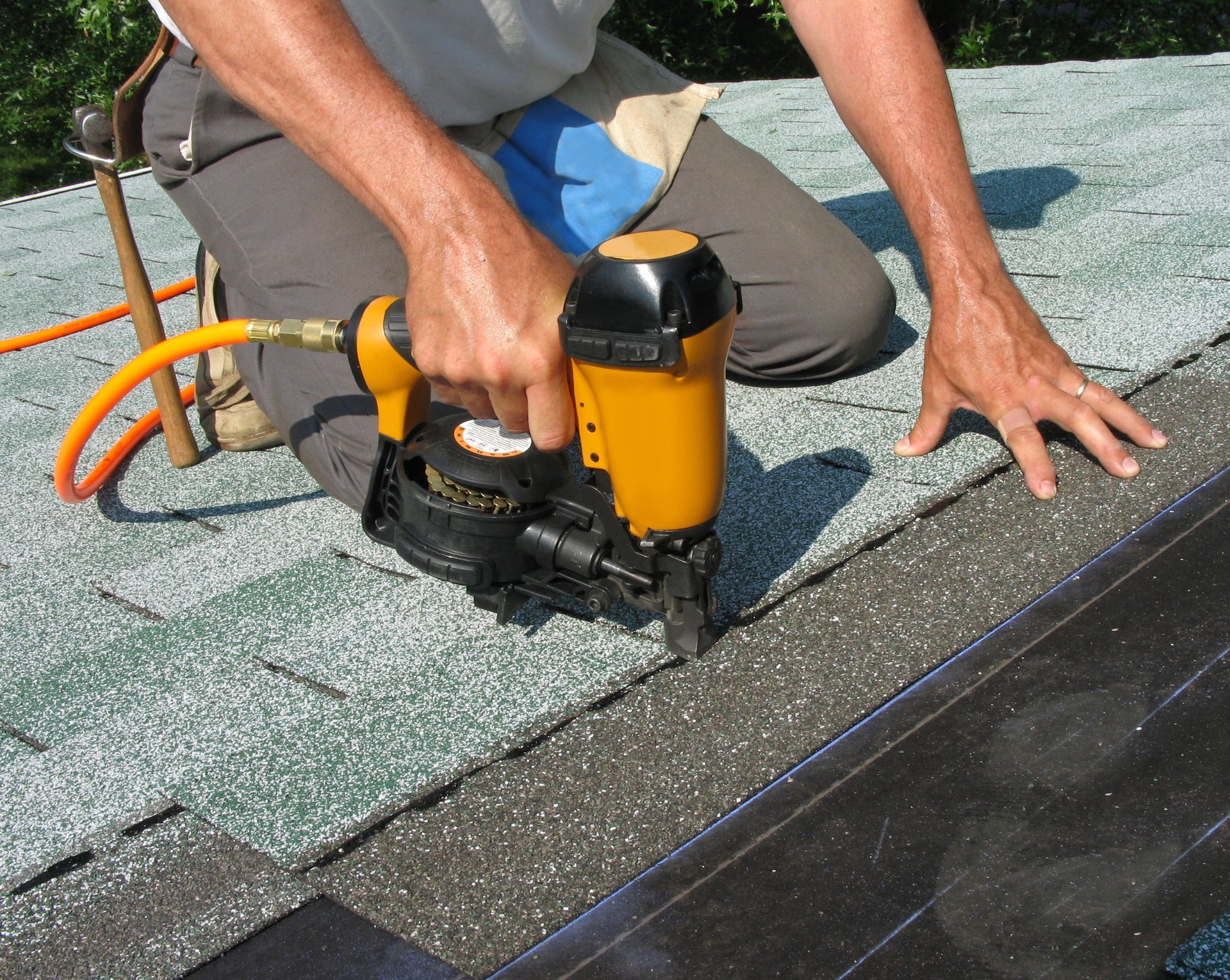
Incorrect nailing practices can also create serious problems. Shingles require specific nail placement and appropriate fastening depth to remain securely attached. Nails installed too high, too low, or at an incorrect angle can compromise wind resistance and allow water to enter vulnerable areas.
How Important Is Regular Maintenance and Inspections?
Routine maintenance helps homeowners identify minor roofing problems before they develop into expensive repairs. Although asphalt shingles are designed to withstand years of weather exposure, they are not maintenance-free. Small defects can gradually become larger problems when left unaddressed.
Annual inspections provide an opportunity to evaluate the roof's overall condition and identify developing concerns. Homeowners should pay particular attention to missing, cracked, curling, or loose shingles. Other warning signs include damaged flashing, exposed nail heads, deteriorating roof valleys, and excessive granule accumulation in gutters.
After significant storms, additional inspections may be worthwhile, especially when high winds or hail have affected the area. Storm damage is not always immediately obvious from the ground, making professional evaluations particularly useful.
A roofing company can identify problems that homeowners might overlook, including subtle flashing failures and early signs of moisture intrusion. Professionals can also determine whether isolated repairs are sufficient or whether more extensive work is necessary.
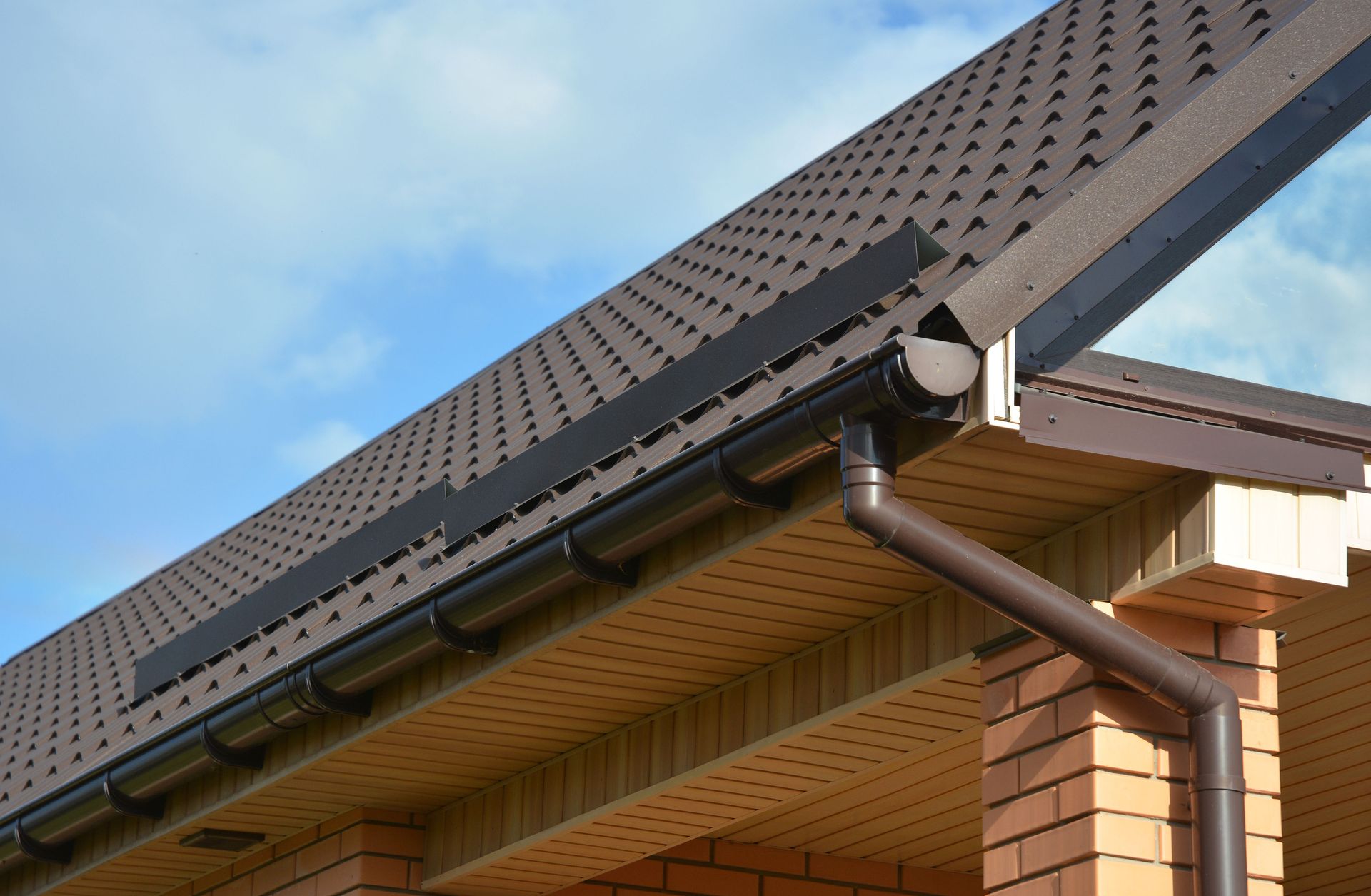
Keeping gutters clear is another important maintenance practice. Clogged gutters can interfere with drainage, allowing water to accumulate along roof edges and potentially contribute to ice dams during colder months. Trimming overhanging branches also reduces the likelihood of falling debris damaging shingles.
What Materials and Technologies Enhance Roof Longevity?
Advancements in roofing materials and installation technologies have given homeowners more opportunities to improve roof durability. While standard asphalt shingles remain a practical choice, upgraded products offer features designed to withstand environmental stress and extend service life.
Architectural shingles are among the most common upgrades. Their thicker construction and multiple layers generally provide better durability and wind resistance than traditional three-tab alternatives. Some premium products also incorporate impact-resistant designs that offer additional protection against hail and airborne debris.
Cool roofing shingles represent another development. These products are designed to reflect more sunlight and absorb less heat than conventional roofing materials. By reducing surface temperatures, they can help limit thermal stress and potentially improve energy efficiency, depending on the home's construction and climate.
Synthetic underlayments and improved waterproofing products also contribute to better protection. Compared with traditional felt underlayment, many synthetic alternatives offer greater resistance to tearing and moisture exposure during installation. Ice and water protection membranes provide another layer of defense in particularly vulnerable areas.
An experienced roofing company can explain which upgrades offer meaningful benefits for a particular property. Homeowners should consider their climate, roof design, budget, and long-term ownership plans before selecting premium materials.
Proper attic ventilation technology is equally important. Ridge vents, soffit vents, and other ventilation components help regulate temperature and moisture levels beneath the roof deck. When appropriately designed and installed, these systems support the performance of the entire roofing assembly.
The difference between an asphalt shingle roof that lasts 30 years and one that fails in half that time often comes down to installation quality, material selection, environmental exposure, and maintenance. Homeowners cannot control every weather-related factor, but they can make informed decisions that significantly improve roof performance. Working with a dependable
roofing company, choosing appropriate materials, maintaining proper ventilation, and scheduling regular inspections all contribute to a longer-lasting roofing system. By addressing small problems early and prioritizing quality workmanship, homeowners can protect their investment, reduce unexpected repair expenses, and get the greatest possible value from their asphalt shingle roofs. If you need a roof, reach out to the team at JLP Pro Services today!